When you start exercising, one of the first things you notice is that your heart begins to beat faster. Whether you are walking quickly, running, cycling, swimming, or doing a simple home workout, your heartbeat increases as your body becomes more active. This is a normal response and an important part of how the body provides energy to working muscles.
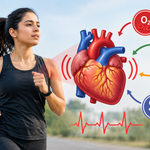
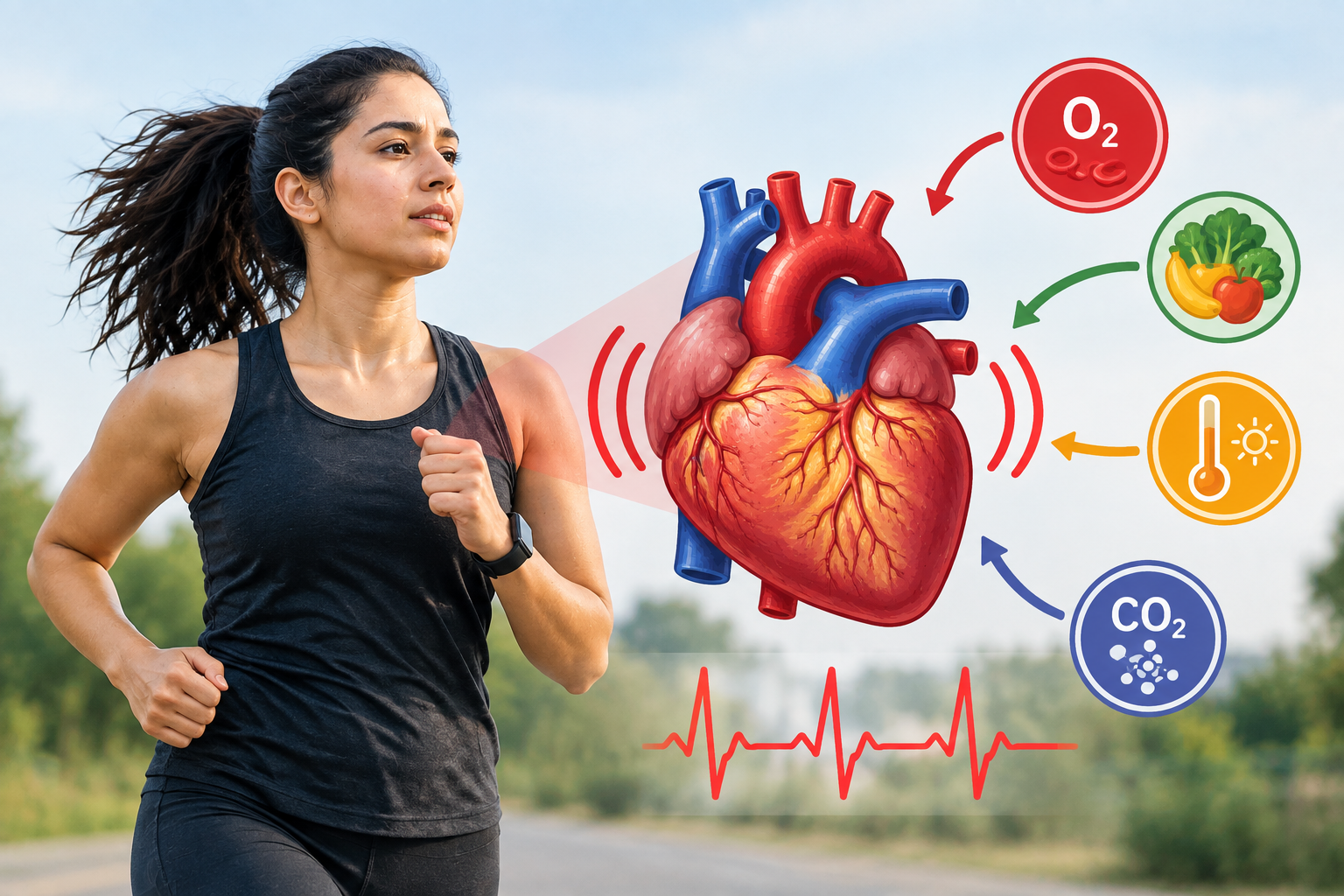
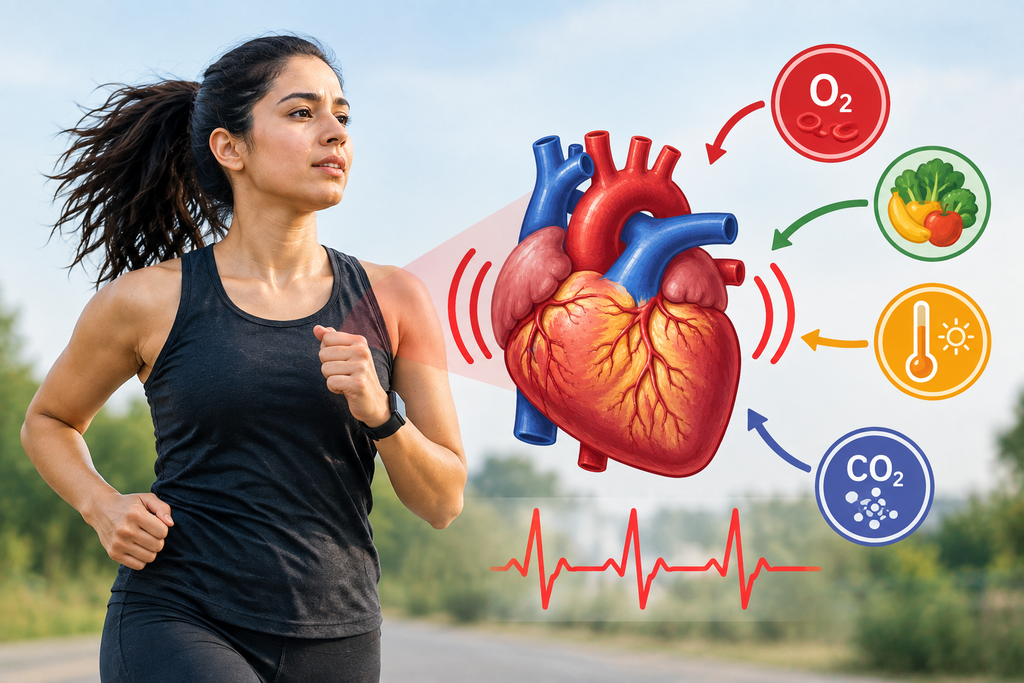
The heart plays a central role during exercise. It pumps blood throughout the body, carrying oxygen and nutrients to muscles while helping remove carbon dioxide and other waste products. When your muscles need more oxygen during physical activity, your heart has to work faster to meet that demand.
Understanding why your heart beats faster during exercise can help you better understand your body and recognize the difference between a normal exercise response and symptoms that may need medical attention.
What Happens to Your Body During Exercise?
When you are resting, your muscles do not need as much oxygen and energy. Your heart can therefore pump blood at a relatively steady rate. Once you begin exercising, your muscles start working harder.
Working muscles need more energy. To produce this energy, your body uses more oxygen and nutrients. Your breathing becomes faster and deeper so that more oxygen can enter your lungs. At the same time, your heart rate increases so that more oxygen rich blood can reach the muscles.
This process begins very quickly. Your nervous system detects the increased demand and sends signals that help your heart beat faster and more strongly.
The result is an increase in blood flow to the muscles that are doing most of the work.
Why Does Your Heart Beat Faster During Exercise?
The main reason your heart beats faster during exercise is that your body needs more oxygen and nutrients.
Your muscles use oxygen to help produce energy. When physical activity becomes more intense, the muscles require more energy. Your cardiovascular system responds by increasing blood flow.
The heart can increase blood flow in two important ways. It can beat more frequently, and it can pump more blood with each beat.
The amount of blood pumped by the heart in one minute is called cardiac output. Cardiac output increases during exercise because the body needs greater blood circulation.
For example, if your heart beats 70 times per minute while resting, it may beat much faster when you walk briskly or run. The exact increase depends on your age, fitness level, exercise intensity, temperature, hydration, and other factors.
The Role of Oxygen During Exercise
Oxygen is essential for many of the processes that allow your muscles to produce energy.
When you exercise, muscles such as those in your legs may suddenly require much more energy than they need while you are sitting. Your lungs bring oxygen into the body, and your blood carries that oxygen to the muscles.
The heart acts like a pump in this system.
It receives blood returning from the body and sends it toward the lungs. After the blood picks up oxygen in the lungs, it returns to the heart. The heart then pumps the oxygen rich blood to the rest of the body.
As exercise intensity increases, this entire system becomes more active.
Your breathing gets faster.
Your heart beats faster.
Blood flow increases.
Your muscles receive more oxygen and nutrients.
This coordinated response allows you to continue exercising.
How the Nervous System Changes Your Heart Rate
Your heart rate is influenced by your nervous system. When you begin physical activity, the sympathetic nervous system becomes more active.
This system prepares your body for action. It signals the heart to beat faster and with greater force.
At the same time, signals that normally help keep your heart rate lower while resting become less dominant.
This is why your heart rate can increase within a short period after you begin exercising.
The body does not wait until your muscles become tired before responding. It anticipates the increased demand and quickly adjusts circulation.
Hormones also contribute to this response. During exercise, the body releases hormones such as adrenaline. These hormones can increase heart rate and help prepare the body for physical activity.
What Is a Normal Heart Rate During Exercise?
There is no single heart rate that is normal for everyone during exercise.
Heart rate changes from person to person. Age, fitness, medication, exercise type, body temperature, and emotional state can all affect it.
A commonly used estimate for maximum heart rate is 220 minus your age. However, this is only a general estimate and can be different from your actual maximum heart rate.
Exercise intensity can also be described using heart rate zones. Light activity generally produces a smaller increase in heart rate, while vigorous exercise produces a larger increase.
You do not necessarily need to monitor your heart rate during every workout. Paying attention to how you feel can also provide useful information.
If you are breathing faster but can still speak comfortably, the activity may be moderate for you. During more intense exercise, talking may become difficult because your breathing becomes much heavier.
Why Does Heart Rate Stay High During Exercise?
Your heart rate usually remains elevated as long as your body continues to need increased blood flow.
If you exercise continuously, your muscles continue using oxygen and producing energy. Your cardiovascular system therefore continues working harder.
However, your heart rate may change during the same workout.
For example, you may start walking slowly and notice a small increase in heart rate. When you walk uphill, your heart rate may rise further. If you slow down again, your heart rate may gradually decrease.
This happens because exercise intensity changes the body’s energy requirements.
The harder your muscles work, the more circulation they generally require.
Why Does Heart Rate Increase More During Running Than Walking?
Walking and running both increase heart rate, but running usually requires more energy.
During running, many large muscle groups work harder and more quickly. Your body needs to deliver more oxygen and nutrients to these muscles.
As a result, your heart usually beats faster during running than during easy walking.
However, the difference depends on the person. Someone who is new to exercise may experience a significant heart rate increase during brisk walking, while a physically fit person may have a smaller response to the same activity.
Exercise intensity is therefore more important than simply looking at the type of exercise.
Does Fitness Affect Exercise Heart Rate?
Yes, fitness can influence how your heart responds to physical activity.
People who exercise regularly often develop better cardiovascular fitness. Their heart and muscles become more efficient at handling physical activity.
A fit person may be able to perform the same activity with less effort than someone who is not accustomed to exercise.
For example, a beginner may have a noticeably elevated heart rate after walking uphill for several minutes. Someone who regularly trains may handle the same hill more comfortably.
Fitness does not mean that your heart will never beat quickly during exercise. Even highly trained people experience an increased heart rate when exercise intensity rises.
The important point is that regular physical activity can improve the body’s ability to respond to exercise.
Why Does Your Heart Beat Faster When You Exercise in Hot Weather?
Temperature can affect your heart rate during exercise.
When you exercise in hot conditions, your body needs to release heat. One important way it does this is by sending more blood toward the skin, where heat can be released.
At the same time, your muscles still need blood.
Your heart may therefore need to work harder to maintain circulation for both muscle activity and temperature regulation.
Dehydration can make this effect more noticeable. When you lose fluids through sweating, the amount of fluid circulating in your bloodstream can decrease.
For this reason, staying properly hydrated is important, especially during exercise in hot or humid conditions.
How Does Breathing Work With Your Heart?
Your heart and lungs work closely together during exercise.
Your lungs bring oxygen into the body and remove carbon dioxide. Your heart transports oxygen through the bloodstream.
When exercise begins, both systems respond.
You breathe faster because your muscles need more oxygen and produce more carbon dioxide. Your heart beats faster so that blood can move between the lungs and the muscles more quickly.
This is why you may notice that your breathing and heartbeat increase together.
The two systems are closely connected rather than working independently.
Why Can You Feel Your Heart Beating Strongly?
During exercise, you may notice your heartbeat in your chest, neck, or even other parts of your body.
This can happen because your heart is beating more frequently and with greater force.
As blood circulation increases, the pulse can become easier to feel. You may notice this particularly after activities such as running, climbing stairs, or performing intense exercise.
Feeling a strong heartbeat for a short time during or immediately after exercise is often part of the normal exercise response.
Your heart rate should generally begin to decrease when you stop or reduce the intensity of the activity.
What Happens to Your Heart Rate After Exercise?
Your heart does not usually return to its resting rate immediately after you stop exercising.
Instead, it gradually slows down.
Immediately after exercise, your muscles may still require increased blood flow. Your body may also continue working to regulate temperature and return other systems to their resting state.
As you rest, your heart rate should generally move downward.
This gradual decrease is sometimes called heart rate recovery. Recovery can vary depending on exercise intensity, fitness, age, environmental conditions, and other factors.
If you regularly exercise, you may notice that your body becomes more comfortable with the recovery process over time.
Why Is a Faster Heartbeat Important?
A faster heartbeat during exercise is not simply a sign that your body is under stress. It is an important adaptation that allows physical activity to continue.
Without an appropriate increase in blood flow, working muscles would not receive enough oxygen and nutrients to meet their energy demands.
The heart helps solve this problem by increasing its activity.
More blood reaches the muscles.
More oxygen can be delivered.
Carbon dioxide and other waste products can be transported away.
Heat can also be distributed through the circulation.
All of these functions help your body handle physical activity.
Does Every Exercise Increase Heart Rate in the Same Way?
No. Different exercises place different demands on the body.
A gentle stretching session may cause only a small increase in heart rate. Brisk walking may raise it more. Running, cycling uphill, jumping exercises, and other vigorous activities may produce a much larger increase.
Even within one exercise, intensity matters.
Walking slowly on a flat surface is different from walking quickly uphill. Cycling gently is different from cycling at high speed.
Your heart responds to the overall demand placed on your body.
Emotional Stress Can Also Increase Heart Rate
Exercise is not the only thing that can make your heart beat faster.
Emotions such as excitement, fear, nervousness, or stress can activate the body’s sympathetic nervous system. This can cause your heart rate to increase even when you are not exercising.
This is one reason your heart may sometimes beat faster before a presentation, during an exciting event, or when you suddenly become worried.
The response is related to the body’s preparation for action.
During exercise, however, the increased heart rate is primarily helping meet the physical demands created by active muscles.
When Should You Pay Attention to Your Heartbeat?
A faster heartbeat during exercise is expected, but certain symptoms should not be ignored.
If you experience severe chest pain, fainting, serious difficulty breathing, unusual dizziness, or a heartbeat that feels extremely irregular during physical activity, stop exercising and seek appropriate medical attention.
People with known heart conditions or other medical concerns should follow advice from their healthcare professional about safe exercise.
It is also worth discussing unusual symptoms with a healthcare professional if they repeatedly occur during relatively easy activities.
The purpose is not to become worried about every change in heart rate. The goal is to understand your normal response and recognize symptoms that are different from what you usually experience.
How Can You Exercise Safely?
You can support your cardiovascular system by approaching exercise gradually.
If you are new to physical activity, begin with manageable activities such as comfortable walking. Increase duration and intensity slowly as your body becomes accustomed to exercise.
A warm up can also help prepare your body for activity. Start at an easy pace and gradually increase the intensity.
After exercise, reduce your pace rather than stopping suddenly after very intense activity.
Drinking enough fluids is also important, especially when you are exercising in warm weather.
Most importantly, listen to your body. Exercise should challenge you, but you should also understand the difference between normal effort and symptoms that require attention.
Benefits of Regular Exercise for the Heart
Regular physical activity can support cardiovascular health in many ways.
Exercise helps the body use oxygen more efficiently and can improve physical fitness. It also supports healthy muscles and can contribute to maintaining a healthy body weight.
Walking, cycling, swimming, dancing, and other activities can all be useful forms of physical activity.
You do not necessarily need complicated equipment or an expensive gym membership to become more active. Simple activities performed regularly can contribute to overall fitness.
The key is consistency.
Frequently Asked Questions
Why does my heart beat faster when I exercise?
Your heart beats faster because your working muscles need more oxygen and nutrients. A faster heartbeat increases blood flow and helps deliver these resources throughout the body.
Is it normal for my heart to beat very fast during exercise?
Heart rate normally increases as exercise becomes more intense. The expected level varies from person to person. If you experience concerning symptoms such as chest pain, fainting, or severe breathing difficulty, stop exercising and seek medical attention.
Why does my heart rate stay high after exercise?
Your body may continue needing increased circulation immediately after exercise. Your heart rate usually decreases gradually as your body returns toward its resting state.
Does walking increase heart rate?
Yes. Brisk walking can increase heart rate because your muscles require more energy and oxygen. The amount of increase depends on walking speed, fitness level, terrain, temperature, and other factors.
Does regular exercise make the heart stronger?
Regular physical activity can improve cardiovascular fitness and help the body use oxygen more efficiently. The heart and circulation adapt to repeated physical activity.
Why does exercise make breathing faster too?
Your muscles need more oxygen and produce more carbon dioxide during physical activity. Faster breathing helps bring more oxygen into the body and remove carbon dioxide.
Final Thoughts
So, why does your heart beat faster during exercise?
The simple answer is that your body needs more blood, oxygen, and energy when your muscles become active. Your heart responds by beating faster and often more strongly. Your lungs also work harder to supply oxygen and remove carbon dioxide.
This response is a normal and essential part of physical activity.
Whether you are walking around your neighborhood, climbing stairs, cycling, or running, your heart is continuously adjusting its work to match the demands placed on your body.
Understanding this process can make exercise feel less mysterious. A faster heartbeat is one of the ways your body adapts to movement and helps your muscles keep working.
Regular physical activity can also help improve cardiovascular fitness over time. Starting at a comfortable level, increasing activity gradually, staying hydrated, and paying attention to unusual symptoms are sensible ways to support safe exercise.
Your heartbeat is not simply a number to watch during a workout. It is part of a larger system that allows your heart, lungs, blood, and muscles to work together every time you move.